
sandblasted mirror design
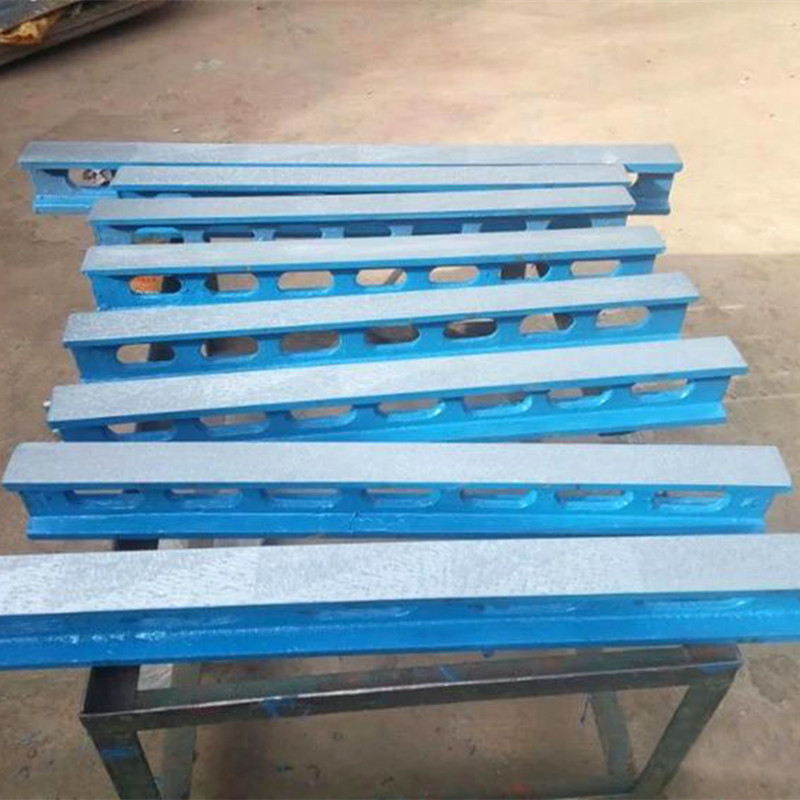
Understanding the Small Surface Plate A Key Tool in Precision Measurement In the realm of manufacturing and engineering, precision is paramount. Small surface plates are essential tools that play a crucial role in achieving accurate measurements and ensuring the integrity of manufactured components. While they might seem simple at first glance, these plates are fundamental in a variety of applications, from quality control to machining and assembly operations. What is a Small Surface Plate? A small surface plate is a flat, usually rectangular or square piece of material, generally made from granite, cast iron, or other stable, rigid materials. The primary function of a surface plate is to provide a perfectly flat reference plane for measuring, marking, or inspecting the geometry of workpieces. Their size may vary, but small surface plates are typically used in smaller-scale applications or in scenarios where space is constrained. Importance of Flatness The defining characteristic of a surface plate is its flatness. The precision of the plate dictates the accuracy of the measurements taken on it. Manufacturers often measure the flatness of a surface plate using a laser interferometer or a dial indicator. A high-quality surface plate will exhibit minimal deviation from a perfect flat plane, often within a few microns. This is crucial since any imperfections could lead to errors in measurements, which can cascade into bigger issues in production. Materials Used Small surface plates can be constructed from various materials, each with its unique advantages 1. Granite Most commonly used for high-precision applications, granite is resistant to wear and temperature variations, and it remains stable over long periods. Its durability makes it an ideal choice for surface plates, as it does not deform easily under mechanical stress. 2. Cast Iron This material is known for its strength and rigidity. Cast iron surface plates are generally less expensive than granite plates but can be subject to corrosion if not maintained properly . They are often used in workshops where conditions may not be as controlled. small surface plate 3. Ceramics and Other Composites Advanced materials like ceramics may be utilized for specific applications that require resistance to extreme temperatures or chemicals. While these materials can be costlier, they offer unique advantages for niche applications. Applications The applications of small surface plates are vast and varied. They serve as foundational tools in quality control, allowing technicians to verify and calibrate the dimensions of components accurately. In machining processes, surface plates are used to check the flatness and alignment of workpieces, assisting in ensuring that machining processes yield the desired tolerances. Additionally, surface plates are essential in setting up gauges and measuring tools. By providing a stable platform, they help in achieving repeatable and reliable measurements essential for quality assessments. Maintenance and Calibration Maintaining small surface plates is vital for ensuring long-term accuracy. Regular cleaning is necessary to keep the surface free from chips, dust, and debris that could affect measurements. Most manufacturers recommend using a soft cloth and specific cleaning solutions to avoid damaging the plate. Calibration also plays a crucial role. As with any precision measuring tool, it is crucial to perform routine calibrations to maintain accuracy over time. Operators typically check flatness using a calibrated dial indicator to ensure that the surface plate is functioning correctly. Conclusion In summary, small surface plates may seem like simple tools, but they are enablers of precision in manufacturing and engineering. Their role in providing a stable, flat reference plane is indispensable for quality control and measurement tasks. The choice of materials—from granite to cast iron—further enhances their applicability across various industrial sectors. By understanding their importance and maintaining them properly, businesses can uphold the standards of precision that are vital in today’s competitive market. Ultimately, small surface plates represent more than just tools; they symbolize the foundation of accuracy upon which quality manufacturing is built.
about
sandblasted mirror design
Understanding Plain Plug Gauge Standards Plain plug gauges are essential tools used in manufacturing and quality control environments to ensure that components meet specific dimensional tolerances. They are designed to check the size and fit of holes and other internal dimensions, providing a reliable means to determine whether a part is within acceptable limits. This article explores the concept of plain plug gauge standards, their applications, and their significance in precision engineering. What is a Plain Plug Gauge? A plain plug gauge is a cylindrical instrument with a specific diameter that is used to measure the internal dimensions of an object, typically a hole. These gauges come in two variants go gauges and no-go gauges. The go gauge is slightly smaller than the nominal size and should fit easily into the hole if the dimension is acceptable. The no-go gauge, on the other hand, is slightly larger and should not fit if the hole is within specification. Together, these gauges help in assessing whether a part is of acceptable quality. Importance of Standards Plain plug gauges are governed by specific standards to ensure accuracy, reliability, and uniformity across various manufacturing processes. The most widely cited standards include those established by organizations such as the International Organization for Standardization (ISO), the American National Standards Institute (ANSI), and the British Standards Institution (BSI). These standards dictate the manufacturing tolerances, materials used, calibration techniques, and measurement methods for plug gauges. Material and Design Plain plug gauges are usually made from high-grade tool steel or other durable materials to withstand wear and tear. The design includes a precisely defined diameter and a smooth, hardened surface to ensure that the gauge provides accurate readings over time. The gauge's length is also standardized to facilitate easy handling and ensure compatibility with measuring devices. plain plug gauge standard Calibration Calibration is a crucial aspect of maintaining the accuracy of plain plug gauges. It involves comparing the gauge against a known standard to check for deviations. Regular calibration is necessary to account for wear, temperature changes, and other factors that could affect measurement accuracy. Most manufacturers adhere to a strict calibration schedule, often using certified reference materials to ensure compliance with industry standards. Applications Plain plug gauges are widely used across many industries, including automotive, aerospace, and electronics. They are instrumental in ensuring parts fit together correctly, which is vital for the safety and performance of machines and systems. For instance, in the automotive sector, precise fitting of components can significantly affect the performance of an engine or transmission. In addition to checking hole diameters, plain plug gauges can also be used in assembly lines to verify the dimensions of various parts before they are assembled into larger systems. This quality control step helps prevent costly errors and rework, ensuring that products meet the required specifications and are safe for use. Conclusion Plain plug gauges are indispensable tools in modern manufacturing and quality assurance. Understanding the standards and practices surrounding these gauges is vital for ensuring the reliable and accurate measurement of internal dimensions. With their widespread applicability across various industries, plain plug gauges serve as a critical component in maintaining the integrity and quality of engineered products. In conclusion, adhering to plain plug gauge standards not only enhances the precision of manufacturing processes but also fosters trust between manufacturers and customers. As industries continue to evolve and strive for higher quality and efficiency, the role of plain plug gauges will remain paramount in achieving these goals. By investing in proper gauges, regular calibration, and adherence to standards, businesses can significantly improve the quality of their products while ensuring customer satisfaction.
-

High quality industrial productsagement

High quality industrial products
View Details -

Meet the diverse needs of customers

Meet the diverse needs of customers
View Details -

Strict quality control

Strict quality control
View Details -

Top raw materials

Top raw materials
View Details -

Trusted supplier

Trusted supplier
View Details
Our application


news and information

Using a Level Ruler for Accurate Measurements and Alignment in DIY Projects
The Importance of a Spirit Level Ruler in Construction and DIY Projects A spirit level ruler is an i

Water Hose Safety Understanding Check Valves Functionality
Understanding the Importance of Water Hose Check Valves A water hose check valve, also known as a n
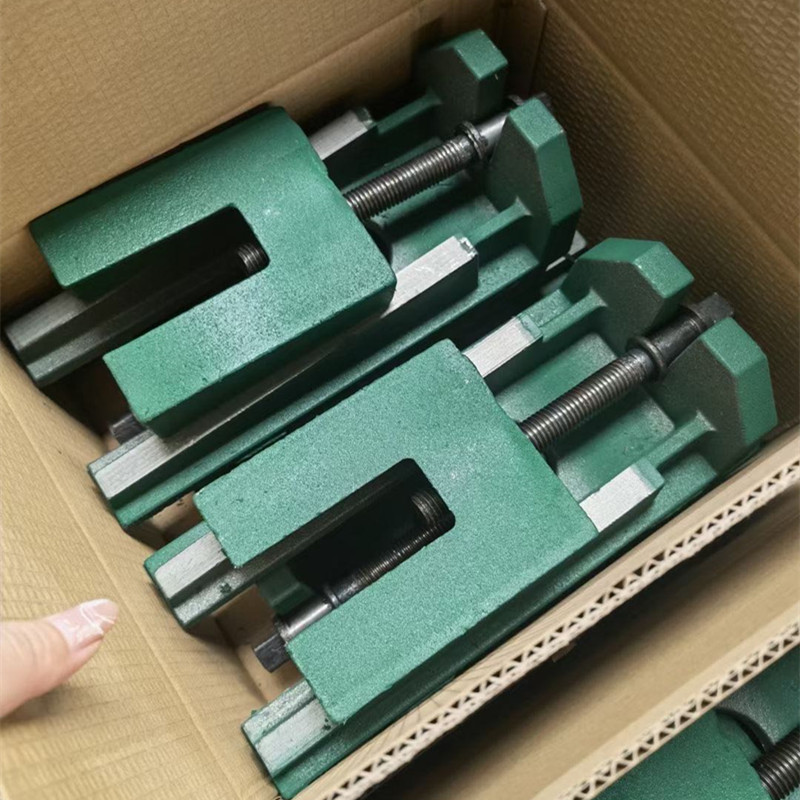
Welding Table Manufacturing Solutions from China for Reliable Performance and Quality
Welding Tables in China A Comprehensive Overview Welding tables are essential tools in the fabricati
 English